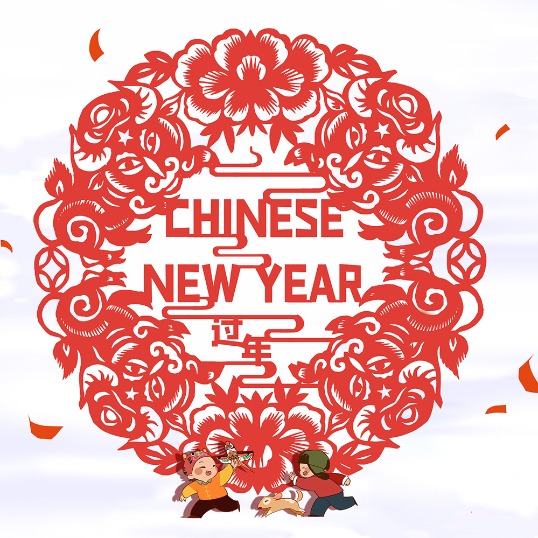
Chinese New Year
Introduction
Chinese New Year, also known as the Spring Festival, is the most significant traditional festival for the Chinese people. Celebrated by approximately one-fifth of the world's population, it marks the beginning of the traditional Chinese calendar and is recognized globally for its cultural significance. The festival is not only a time for family reunions but also a celebration of renewal, hope, and prosperity. Observed for over two weeks, it culminates with the Lantern Festival, featuring a range of customs and traditions that reflect the rich tapestry of Chinese heritage. UNESCO inscribed Spring Festival - the social practices of the Chinese people in celebration of their traditional new year - on the Representative List of the Intangible Cultural Heritage of Humanity on Dec 4, 2024.
History
The history of Chinese New Year is deeply rooted in Chinese culture, with its origins and evolution spanning several millennia.
Origins
The origins of Chinese New Year date back to ancient times when it was connected to agricultural cycles and the lunar calendar. Traditionally, it signaled the end of winter and the beginning of the spring harvest season. Early celebrations involved offerings to deities and ancestors to ensure a good harvest and prosperity in the coming year. The festival's customs were also shaped by myths and legends, such as the story of Nian, a mythical beast that was believed to terrorize villages. To ward off Nian, people used loud noises, firecrackers, and the color red, elements that have become integral to the festival today.
Evolution
Over time, Chinese New Year evolved from its agrarian roots to encompass a broader range of cultural and social practices. The introduction of the Chinese lunar calendar further standardized the timing of the festival. As Chinese society developed, so did the festival's significance, becoming a time to honor family, traditions, and cultural identity. The festival has also been influenced by various dynasties, with each era contributing new customs and traditions, such as the exchange of red envelopes and the performance of dragon and lion dances. During the Ming and Qing dynasties, the use of Spring Festival couplets and the practice of giving "lucky money" to children became widespread.
Traditions and Customs
Chinese New Year is celebrated with a multitude of traditions and customs that vary across regions but share common themes of family, prosperity, and renewal.
Preparations
Preparations for Chinese New Year begin weeks in advance as families clean their homes to sweep away ill fortune and make way for good luck. This period, known as "sweeping the dust," is a symbolic act of purification. Homes are decorated with red lanterns, couplets, and paper cuttings that convey wishes for happiness and prosperity. Shopping for new clothes, especially in red, is common, as red is considered an auspicious color. People also stock up on food and gifts for family and friends, ensuring that they have everything needed for the celebrations.
New Year's Eve
New Year's Eve is the highlight of the festival, marked by a reunion dinner where families gather to enjoy a lavish meal. The dinner features an array of traditional dishes, each symbolizing luck and prosperity. Fish, for instance, represents abundance, while dumplings symbolize wealth. It is a time for family members to reflect on the past year and express hopes for the future. As midnight approaches, firecrackers and fireworks are set off to ward off evil spirits and welcome the new year. In recent years, technological advancements have seen the shift from traditional red envelopes to digital "lucky money" gifted via mobile apps.
New Year's Day
On New Year's Day, people visit family and friends to exchange greetings and gifts. It is a day for wishing good fortune and health, with many celebrating with parades featuring dragon and lion dances. These dances, accompanied by the beating of drums and cymbals, bring good luck and drive away evil spirits. In some regions, people also participate in temple fairs, where they enjoy folk performances and traditional snacks. Children are often given red envelopes filled with money, a gesture that symbolizes the passing of wealth and blessings from one generation to the next.
Lantern Festival
The Lantern Festival, celebrated on the 15th day of the new year, marks the end of the Chinese New Year festivities. It is characterized by the display of colorful lanterns in various shapes and sizes, often depicting traditional Chinese symbols and zodiac animals. People gather to enjoy lantern displays, solve riddles written on lanterns, and indulge in tangyuan, sweet glutinous rice balls that symbolize family unity and togetherness. The festival also features dragon and lion dances, firecrackers, and sometimes fireworks, creating a vibrant and joyful atmosphere.
Cultural Significance
Chinese New Year holds immense cultural significance, embodying values such as family unity, renewal, peace, and harmony. It serves as a time for people to reconnect with their cultural roots and heritage. The festival's practices, such as family reunions and ancestor worship, emphasize the importance of family bonds and respect for the past. Moreover, it fosters social cohesion and community spirit, as people come together to celebrate and share in the festivities. Recognized by UNESCO as an intangible cultural heritage, Chinese New Year is celebrated worldwide, promoting intercultural dialogue and understanding.
Regional Variations
While Chinese New Year is celebrated across China, regional variations exist in customs and traditions. In northern China, dumplings are a staple of the New Year's Eve dinner, while southern regions may prefer rice cakes or tangyuan. Different areas also have unique practices, such as the "face-changing" performances in Sichuan or the Taibo Temple Fair in Jiangsu. These regional customs add diversity and richness to the festival, showcasing the cultural diversity within China. In some ethnic minority regions, additional ceremonies and rituals may be performed, reflecting the local cultural influences.
Chinese New Year in Other Countries
Chinese New Year is celebrated by Chinese communities around the world, with festivities often adapted to local cultures. In countries like Malaysia, Singapore, and Indonesia, the festival is a public holiday, marked by large-scale events such as parades and cultural performances. In North America and Europe, cities with significant Chinese populations host celebrations that include dragon and lion dances, fireworks, and cultural exhibitions. These celebrations serve as a bridge between Chinese and local cultures, promoting cultural exchange and understanding.
Modern Developments and Influences
In recent years, Chinese New Year has seen modern developments and influences, as globalization and technology shape new ways of celebrating. Digital red envelopes and online shopping have become prevalent, transforming traditional practices into convenient modern-day equivalents. Global brands have also embraced the festival, incorporating Chinese New Year themes into their marketing strategies. Moreover, the festival's recognition by UNESCO has elevated its status as a global cultural event, encouraging wider participation and appreciation. As the festival continues to evolve, it retains its core values of family, renewal, and prosperity, ensuring its enduring significance in the modern world.








